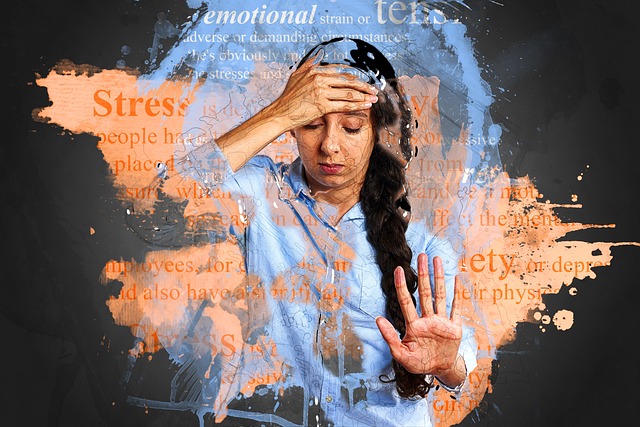

A Practical Guide to Managing Stress: Techniques for a Calmer, Healthier Life
In today's fast-paced world, stress has become a common experience for many individuals. Understanding the nature of stress, its causes, and symptoms is the first step toward effective management. This guide will provide you with evidence-based techniques and lifestyle changes to help you achieve a calmer, healthier life.
What is Stress?
Stress is the body's natural response to challenges or demands, often referred to as stressors. These can be physical, emotional, or environmental. When faced with stress, the body releases hormones like cortisol and adrenaline, preparing you for a "fight or flight" response. While short-term stress can be beneficial, chronic stress can lead to significant health issues.
Common Causes of Stress
Stress can stem from various sources, including:
- Work-related pressures: Deadlines, job insecurity, and workplace conflicts.
- Financial concerns: Debt, expenses, and economic instability.
- Relationships: Conflicts with family, friends, or partners.
- Health issues: Chronic illness, injury, or mental health challenges.
- Life changes: Moving, starting a new job, or experiencing loss.
Symptoms of Stress
Recognizing the symptoms of stress is crucial for effective management. Common experiences include:
- Physical symptoms: Headaches, fatigue, muscle tension, and gastrointestinal issues.
- Emotional symptoms: Anxiety, irritability, mood swings, and feelings of overwhelm.
- Cognitive symptoms: Difficulty concentrating, forgetfulness, and racing thoughts.
- Behavioral symptoms: Changes in appetite, sleep disturbances, and social withdrawal.
The Impact of Stress on Daily Life
Chronic stress can significantly impact various aspects of daily life, including:
- Physical health: Increased risk of heart disease, diabetes, and weakened immune function.
- Mental health: Higher likelihood of anxiety disorders, depression, and burnout.
- Relationships: Strain on personal and professional relationships due to irritability and withdrawal.
- Work performance: Decreased productivity, creativity, and job satisfaction.
Evidence-Based Techniques for Managing Stress
Managing stress involves a combination of techniques and lifestyle changes. Here are some effective strategies:
1. Mindfulness Meditation
Mindfulness meditation encourages you to focus on the present moment, reducing anxiety about the past or future. Start with just 5-10 minutes a day, gradually increasing the duration. Apps like Headspace or Calm can guide you through this practice.
2. Exercise Regularly
Physical activity is a powerful stress reliever. Aim for at least 150 minutes of moderate aerobic exercise each week. Activities like walking, jogging, yoga, or dancing can help release endorphins, enhancing your mood.
3. Deep Breathing Exercises
Deep breathing techniques can quickly calm your nervous system. Try inhaling deeply through your nose for a count of four, holding for a count of four, and exhaling slowly through your mouth for a count of six. Repeat several times to reduce tension.
4. Journaling
Writing about your thoughts and feelings can provide clarity and relief. Set aside time each day to journal about your stressors, emotions, and any solutions you may have considered.
5. Social Support
Connecting with friends and family can provide emotional support. Share your feelings and experiences, and don’t hesitate to seek help when needed. Building a strong support network is crucial for managing stress.
Lifestyle Changes for Long-Term Stress Management
Incorporating certain lifestyle changes can create a more resilient mindset towards stress:
1. Prioritize Sleep
Quality sleep is essential for stress management. Aim for 7-9 hours of sleep each night. Create a calming bedtime routine, avoid screens before bed, and keep your sleeping environment comfortable.
2. Maintain a Balanced Diet
Nutrition plays a significant role in your mood and energy levels. Focus on a balanced diet rich in fruits, vegetables, whole grains, lean proteins, and healthy fats. Avoid excessive caffeine and sugar, which can increase anxiety.
3. Set Boundaries
Learn to say no and set boundaries in both personal and professional contexts. Overcommitting can lead to increased stress. Prioritize your time and energy on what matters most to you.
Building Long-Term Habits
Creating lasting habits requires consistency and patience. Here are some tips:
- Start small: Incorporate one new technique at a time to avoid feeling overwhelmed.
- Track your progress: Keep a journal to monitor your stress levels and the effectiveness of your techniques.
- Be patient: Change takes time. Celebrate small victories along the way.
Spotting Early Warning Signs
Awareness of early warning signs can help you address stress before it escalates. Look out for:
- Increased irritability or mood swings.
- Changes in appetite or sleep patterns.
- Withdrawal from social interactions.
- Difficulty concentrating or making decisions.
When to Seek Professional Support
If stress becomes overwhelming or interferes with your daily life, it may be time to seek professional help. Consider reaching out to a therapist or counselor if you experience:
- Persistent feelings of sadness or hopelessness.
- Inability to cope with daily tasks.
- Physical symptoms that do not improve.
Conclusion
Managing stress is a journey that requires commitment and self-compassion. By understanding the nature of stress, recognizing symptoms, and implementing effective techniques, you can cultivate a calmer, healthier life. Remember, it’s okay to seek help when needed. You are not alone in this journey.